Bowl A Strike Every Time!
Bowling For A Cause

Bowling and archery have always shared a certain kind of person. Both reward a repeatable stroke, both are decided by small consistencies rather than raw strength, and both fill up with league regulars who care a great deal about equipment. So when the league season winds down and half the house disappears into the woods for a few weeks, the gear talk does not stop. It just changes subject. This autumn it keeps landing on one crossbow.
The Ravin R18 is unusual because of how small it is. Twenty-five inches long with the stock fitted, eighteen without, and about four and three quarter inches wide. That is short enough to sit inside a hunting pack rather than being slung across one, which is the entire point of the design.
It manages that with a vertical limb layout Ravin calls VertiCoil, which turns the limbs to run parallel with the arrow on either side of the barrel instead of sticking out sideways. It is a genuinely different answer to a problem every crossbow has, which is that limbs are wide and woods are not.
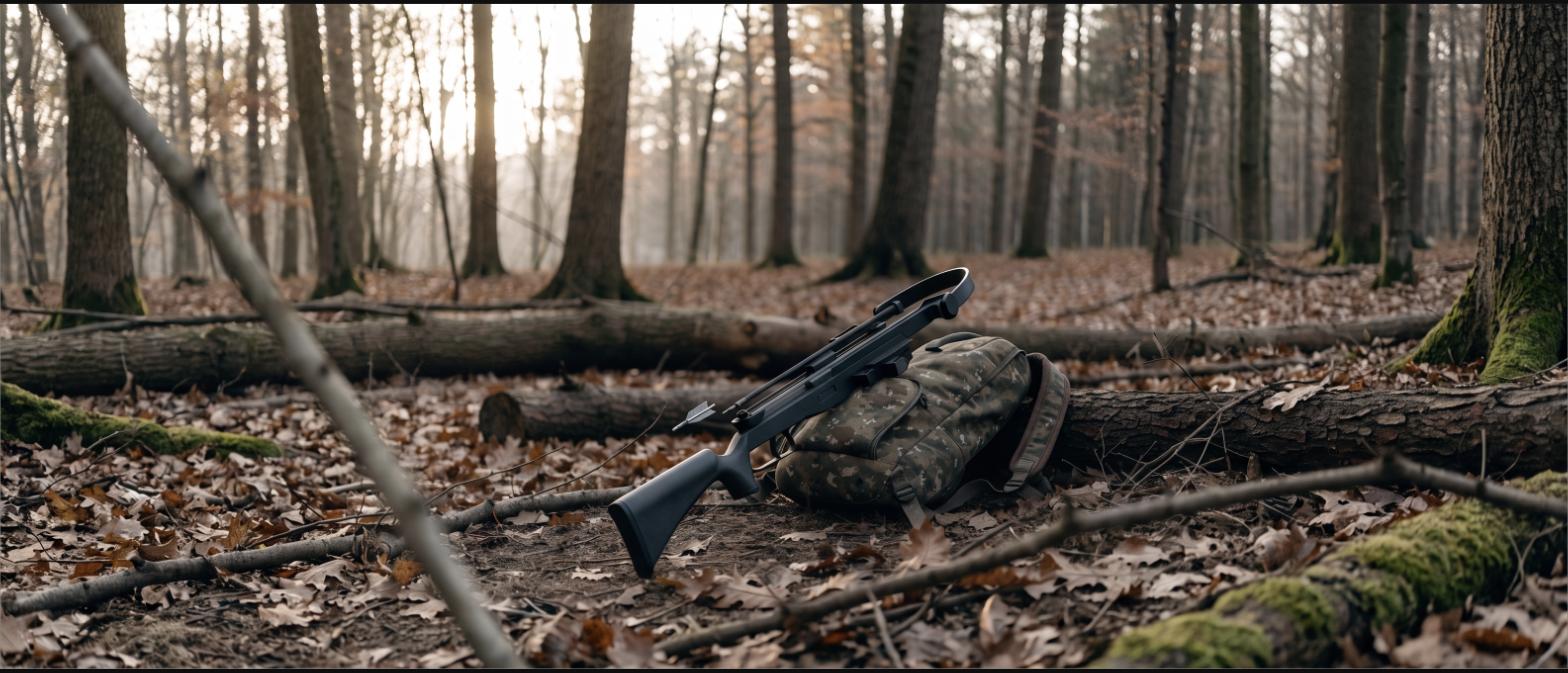
It shoots around 330 feet per second with a 350 grain arrow, for roughly 85 foot-pounds of kinetic energy, and it weighs about six pounds. Those are not headline numbers by modern crossbow standards, and Ravin has faster bows in its own range.
That is rather the point. The R18 trades top-end speed for size and weight, and in return you get something you can actually manoeuvre in a saddle, a tight ground blind or a small box stand. Reviewers consistently rate the trigger, which breaks at a little over two pounds. They also consistently note that it is loud, because a small frame has less mass to soak up the shot. Both things are true, and which one matters more depends entirely on how you hunt.

Watch: Ravin R18 Full Review – Insanely Compact 330 FPS Crossbow (YouTube)
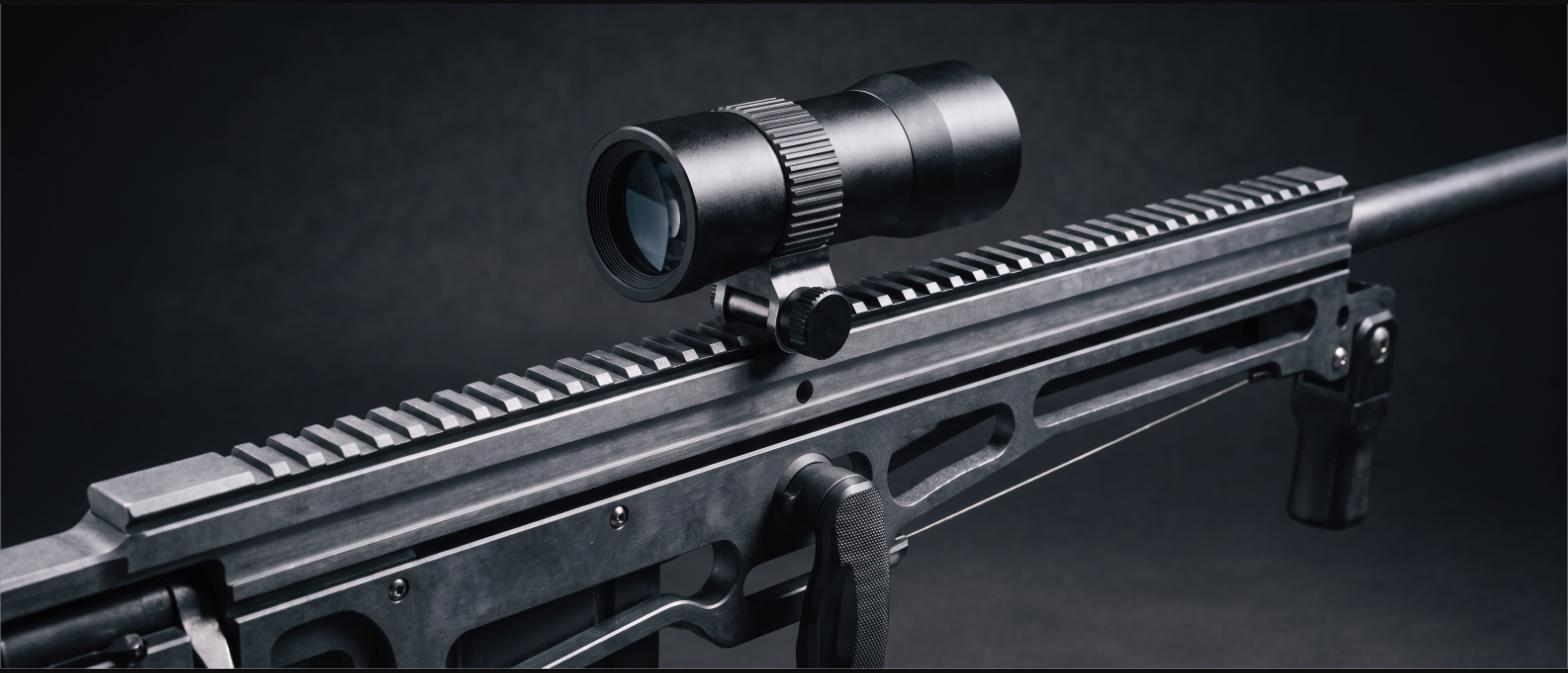
Saddle hunters and anyone who walks a long way in are the obvious fit, since every pound and every inch is one you carry. It also suits people with shoulder or back trouble who have given up on a vertical bow but do not want to lug a full-size crossbow either. The draw force is low enough to cock without a fight.
If you shoot from a comfortable box blind on a field edge and never walk more than a few hundred yards, a bigger, quieter, faster bow is probably better value. Packages like this ravin r18 setup are worth comparing against a full-size model before you decide, because the compact design is a genuine trade rather than a straight upgrade.
Whatever you end up shooting, the league lesson applies. Repetition beats equipment. Shoot it enough that the whole sequence is automatic before opening day, keep the rail waxed and the string served, and check your bolts for cracks the way you would check a bowling ball for a hairline. The gear only ever gets you as far as your practice does.
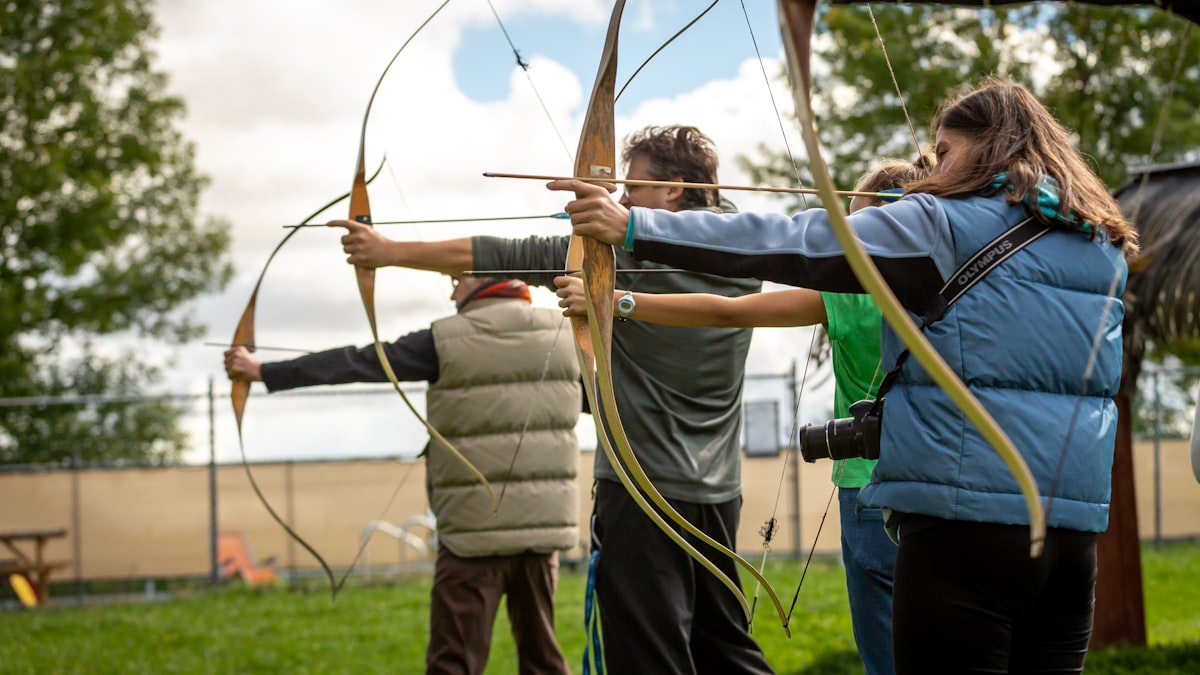
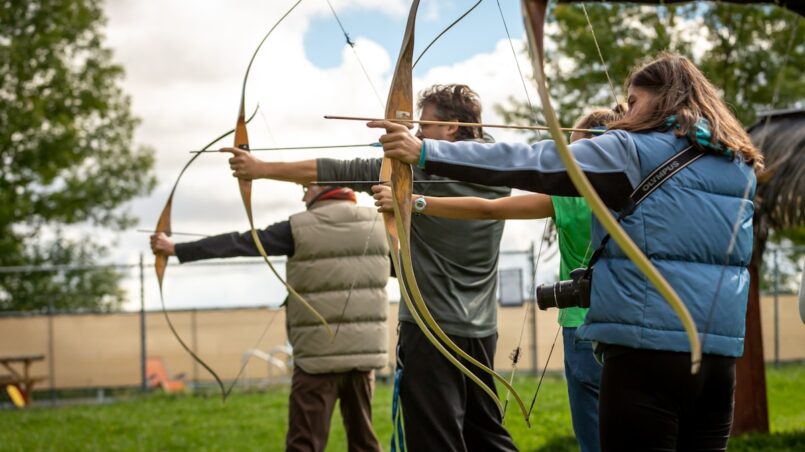
Ask any serious bowler what wins games and you’ll hear the same answer: a clean, repeatable release. That instinct — groove the motion, trust the follow-through, do it exactly the same way every time — turns out to be the heart of another target sport that bowlers tend to pick up fast. Target archery rewards the very same discipline, and it’s a satisfying way to keep your competitive edge sharp between leagues. The twist is that the most important beginner purchase isn’t the bow. It’s a small piece of leather called a finger tab.
Both sports live in the space between focus and repetition. You settle your stance, quiet your mind, and repeat one smooth motion under a little pressure — then do it again, and again, chasing consistency rather than raw power. Bowlers already own that mindset. Swap the approach and release for a draw and a loose, and a lot of the mental game carries straight over. It scratches the same competitive itch, and you can practice almost anywhere.

When you draw a bow with your fingers, the string sits against bare skin under real tension. A finger tab is a small leather flap that protects those fingers and, just as importantly, gives the string a smooth, consistent surface to slip off at release. That clean break is the difference between arrows that scatter and arrows that stack together — the archery equivalent of a repeatable release off your hand. A good archery finger tab quickly becomes the piece of gear you never shoot without.

Watch: Archery 101 — Using Finger Tabs on Your Bow (YouTube)
You’ll hit this debate early. A shooting glove covers each fingertip on its own and feels natural to some; a tab is a single piece many find more consistent and easier to maintain. Neither is wrong. For target shooting, plenty of archers land on a tab for the cleaner, more repeatable release — but the honest advice is to try both and keep whichever one disappears from your mind while you shoot, the same way you stop thinking about a ball that fits your hand.
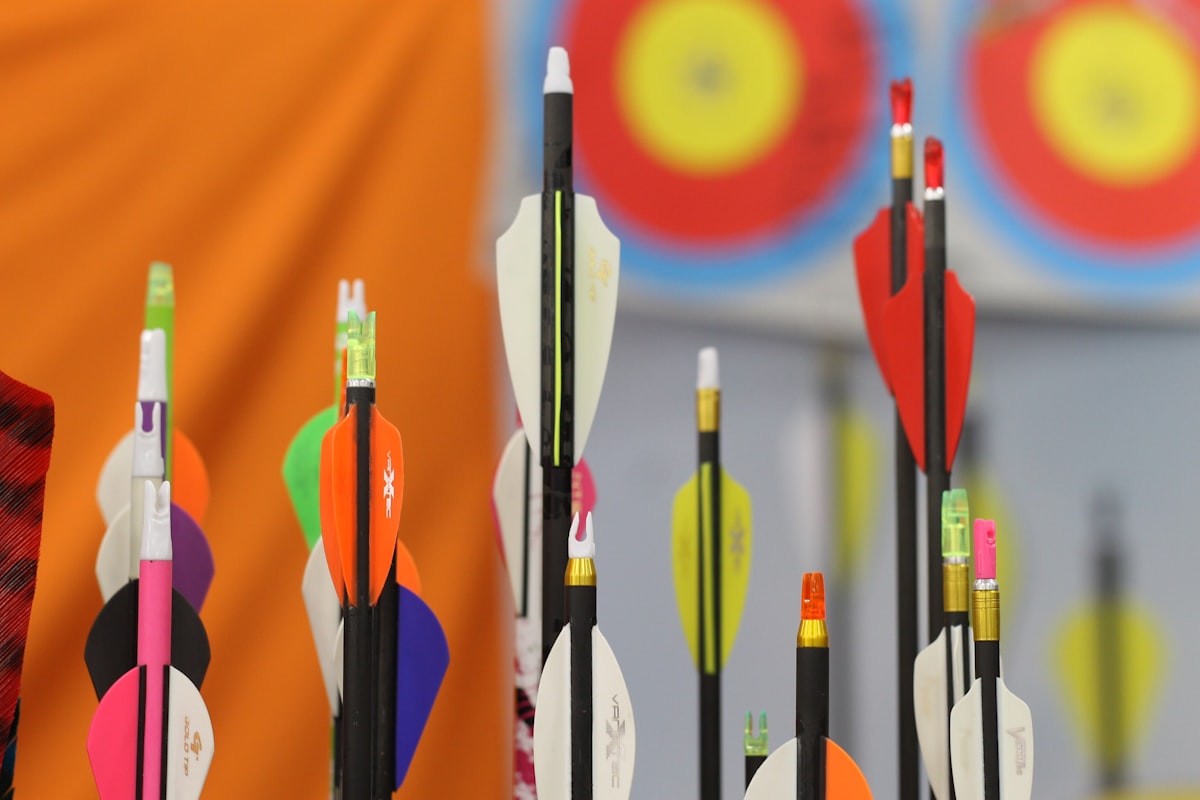
Start simple: a modest recurve, a dozen arrows, a target, and a tab that fits your hand. From there it opens up as far as you want to take it, from casual range sessions to leagues and tournaments that will feel oddly familiar. For anyone who already loves the quiet pressure of rolling a clean strike, archery is the rare off-season habit that keeps the same muscles — and the same focus — in tune.
It’s almost Turkey Time! Get your bowling shoes ready!